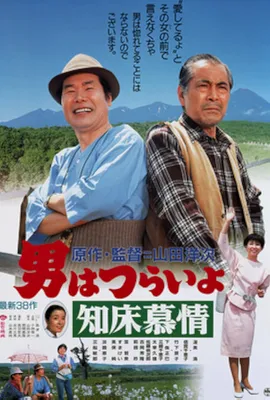
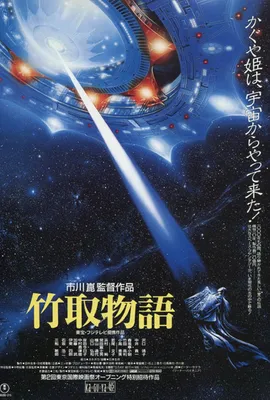
Mifune Toshirô

Bio
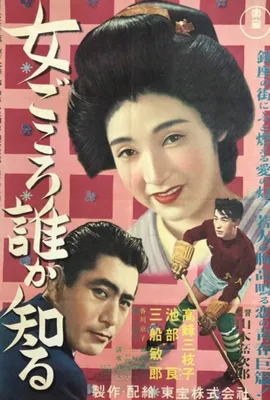
Widely revered as Japan’s greatest actor, Mifune is celebrated for his extensive collaboration with acclaimed director Kurosawa Akira. Ruggedly handsome in his youth and dignified in his later years, he possessed a flexible acting range belied by his uncharacteristically harsh voice. He won numerous accolades, including two Best Actor prizes at the Venice Film Festival and six Blue Ribbon Awards, more than any other actor. The Kyoto International Film Festival established the “Mifune Toshirô Award” in his honor, and in 2000 Kinema Junpo named him the top actor of the 20th century.
Mifune was born in Qingdao, China, which was then under Japanese occupation. He worked in his father’s photography studio until 1940, when he was drafted into the Japanese army at age 20. He served in the aerial photography unit for the duration of the war, an experience that left him disillusioned with military conflict. Following the war, Mifune sought work at Toho Studios as an assistant cameraman. However, a misunderstanding led to his enrollment in the studio’s “New Face” acting auditions, where he was accepted upon the recommendation of Kurosawa Akira.
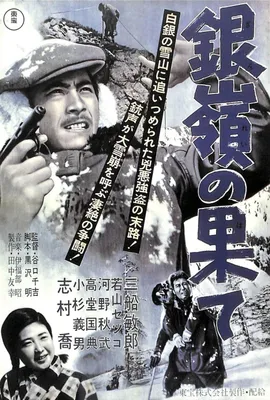
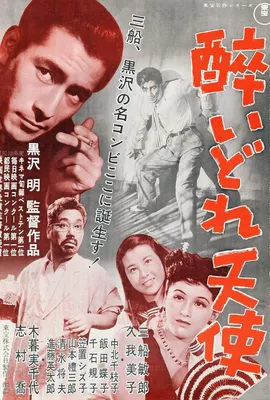
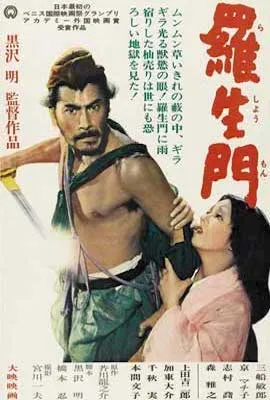
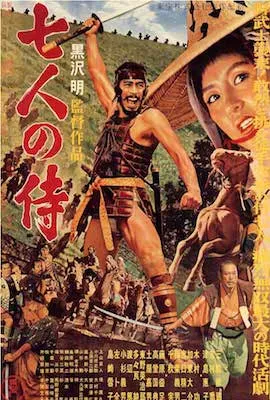
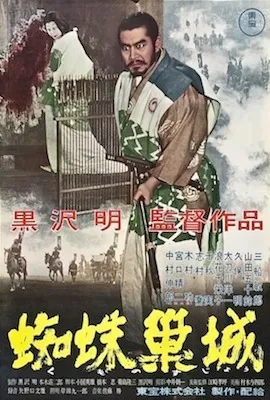
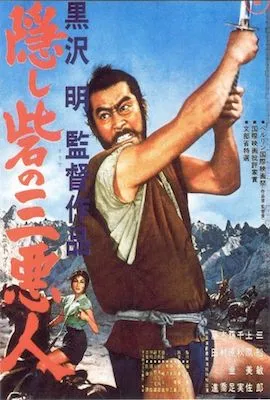
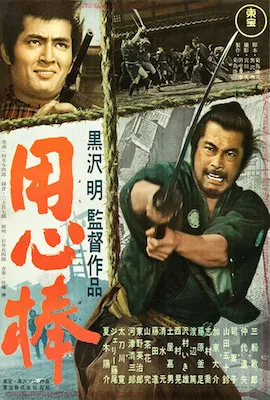
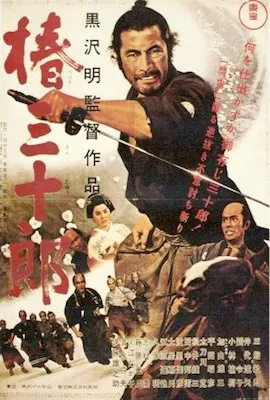
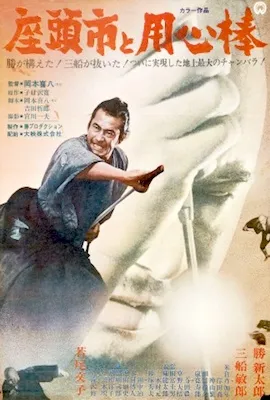
Mifune made his film debut in Taniguchi Senkichi’s Snow Trail (1947). He first worked with Kurosawa on the director’s third film, Drunken Angel (1948). They later collaborated on Kurosawa’s breakout global hit Rashomon (1950), which won the Golden Lion at the Venice Film Festival and launched Mifune onto the international stage. Kurosawa cast Mifune in some of his most memorable roles, including the renegade samurai Kikuchiyo in Seven Samurai (1954) and the surly, nameless ronin in Yojimbo (1961) and Sanjuro (1962). For the finale of Sanjuro, Mifune choreographed his own swordplay, while for the climax of Throne of Blood (1957), he famously endured real arrows fired by archers at Kurosawa’s direction.
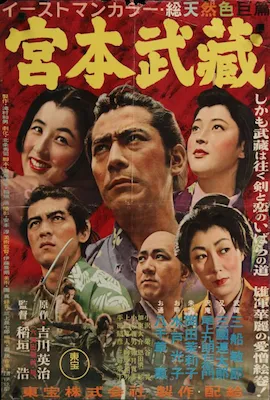
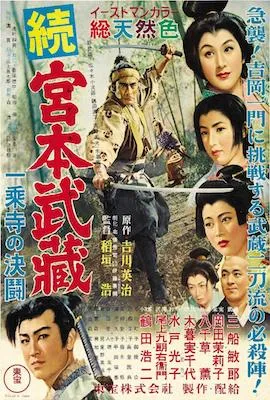
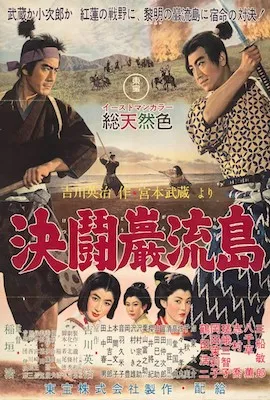
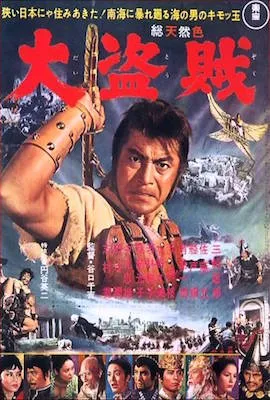
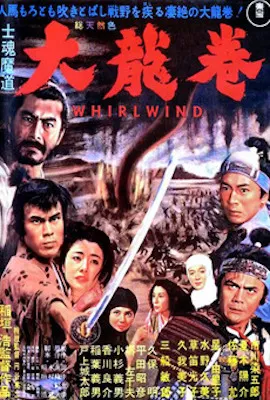
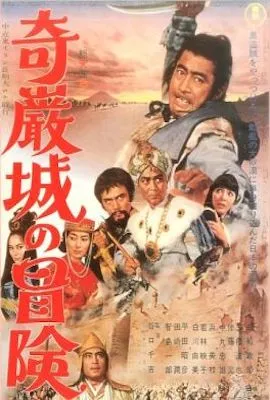
Mifune also headlined Inagaki Hiroshi’s Samurai trilogy (1954-1956) as the legendary swordsman Miyamoto Musashi. In 1966, his production company, Mifune Productions, co-produced Taniguchi Senkichi’s fantasy-adventure The Adventure of Taklamakan with Toho.
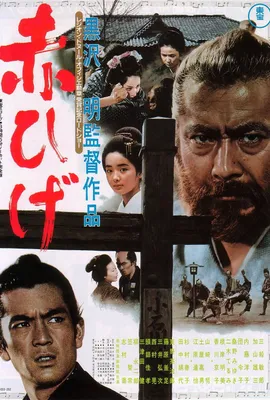
The partnership between Kurosawa and Mifune concluded with Red Beard (1965). The film’s protracted production period, lasting over a year, prevented Mifune from accepting other roles, placing a significant financial strain on his production company. The resulting tension caused the two to part ways professionally.
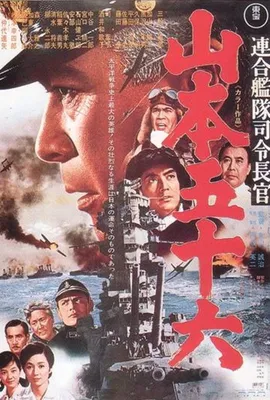
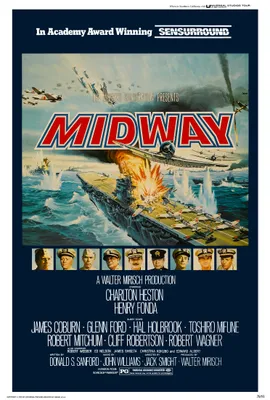
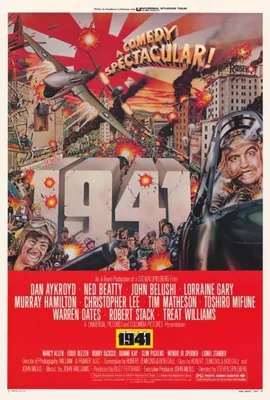
In the latter part of his career, Mifune appeared in several high-profile Western films. He played Admiral Yamamoto in Midway (1976) and a Japanese submarine captain in Steven Spielberg’s 1941 (1979). He was notably considered by George Lucas for the role of Obi-Wan Kenobi in Star Wars (1977) but declined.
Accolades
Selected Works