Ifukube Akira

Bio
Born in Kushiro, Hokkaido, Ifukube was deeply influenced by his childhood in a mixed Japanese and Ainu community. He grew up listening to traditional Ainu music, the improvisational nature and raw rhythmic power of which would become hallmarks of his own distinct classical style.
Though he studied forestry at Hokkaido Imperial University at his father’s urging, he taught himself to compose in his spare time. At age 21, his piece Japanese Rhapsody won first prize in a competition organized by Russian composer Alexander Tcherepnin, with whom he briefly studied.
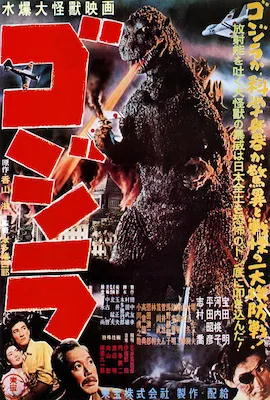
During WWII, he was drafted to test the elasticity of wood for aircraft construction using X-rays. He suffered severe radiation poisoning as a result, a bitter irony considering his most famous work, Godzilla (1954), deals with the horror of radiation. He famously created Godzilla’s iconic roar by rubbing a resin-coated leather glove over the loosened strings of a double bass.
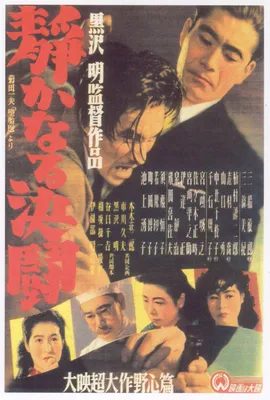
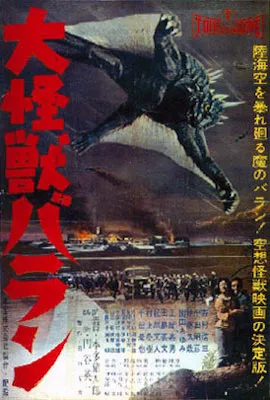
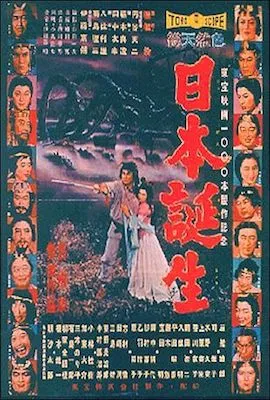
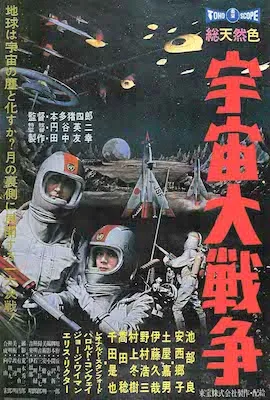
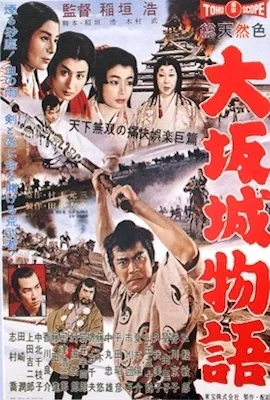
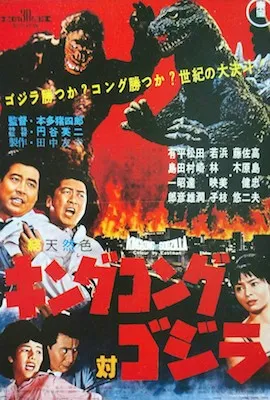
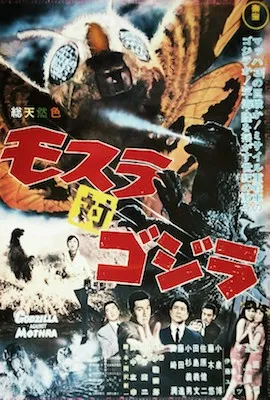
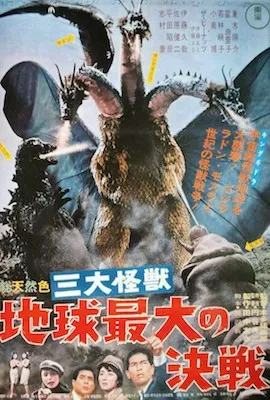
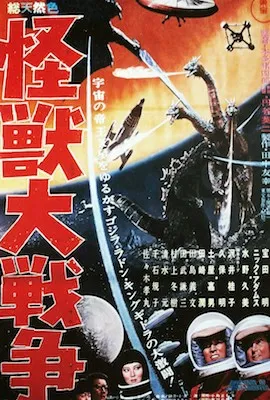
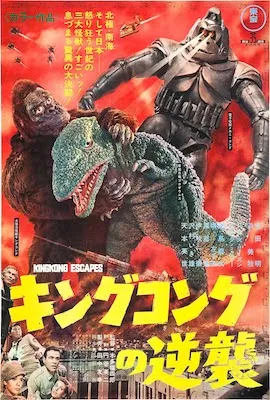
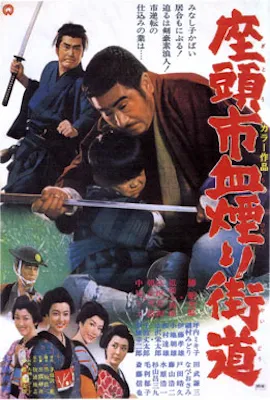
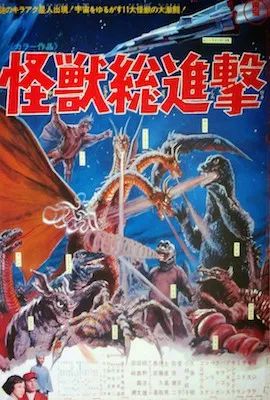
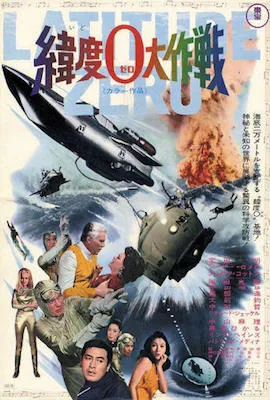
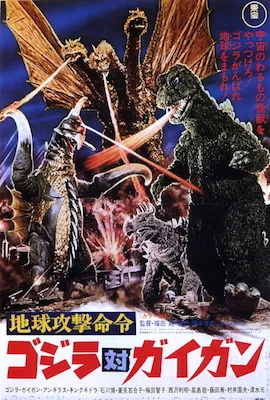
After the war, he turned to film scoring to support himself. While he clashed with director Kurosawa Akira (scoring only The Quiet Duel for him), he formed a legendary creative partnership with director Honda Ishirô and special effects master Tsuburaya Eiji. His menacing brass themes and driving military marches defined the sound of Toho’s Golden Age of sci-fi.
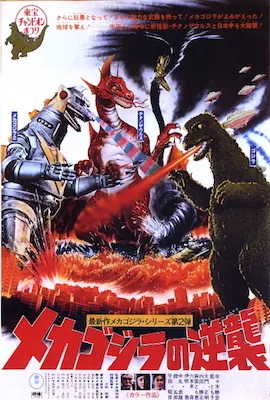
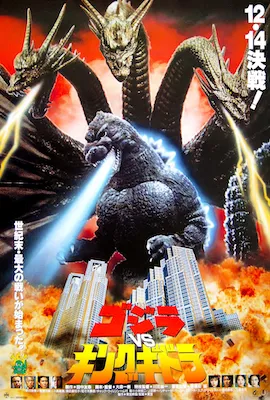
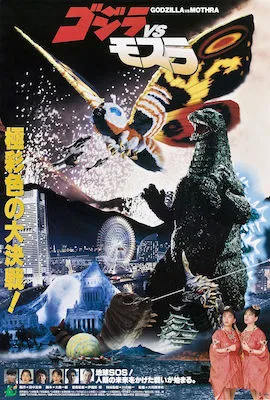
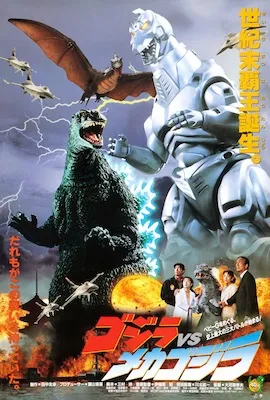
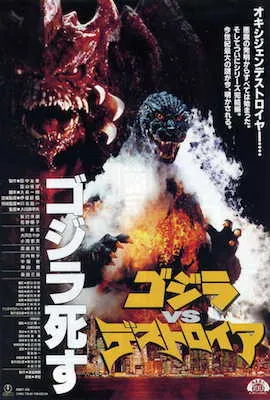
He retired from film scoring after Terror of Mechagodzilla (1975) to focus on concert works and teaching (becoming president of the Tokyo College of Music). However, dissatisfied with the pop-oriented direction of the music in Godzilla vs. Biollante (1989), he returned to the franchise to score four final films in the 1990s, concluding his career with Godzilla vs. Destoroyah (1995).
Accolades
Selected Works