Hidari Bokuzen

Bio
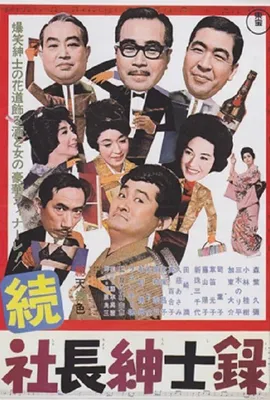
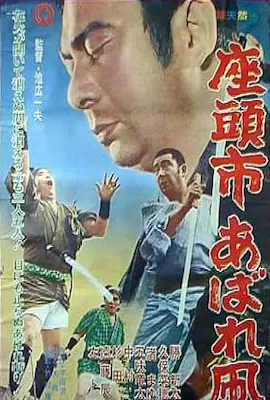
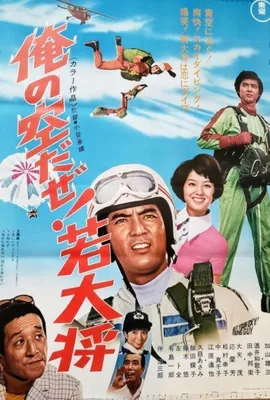
Eccentric character actor known for his distinctively slow, muttered delivery and blank, confused expressions. Although he often played senile or drunken old men, he was a teetotaler in real life.
Born Mikashima Ichirô to a family of Shinto priests, he initially aspired to be an opera singer and dancer, training at the Imperial Theatre in 1914. However, after the disbandment of the opera division and his troupe, he pivoted to acting. A severe case of gangrene in 1935 left him with a permanent disability, contributing to the hunched posture and creeping gait that became his trademarks.
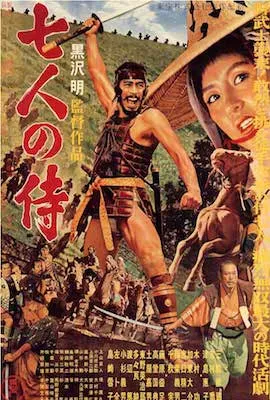
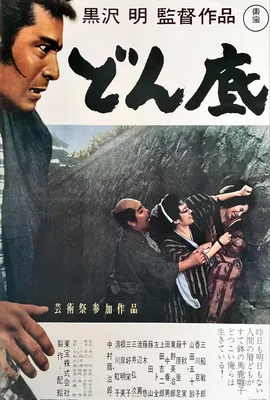
He found fame late in life, particularly through his collaborations with Kurosawa Akira. He appeared in seven Kurosawa films, most memorably as the panicked villager Yohei in Seven Samurai (1954) and as a sharp-tongued pilgrim in The Lower Depths (1957). He was also a favorite of other directors for his ability to steal scenes with his “barkeep” persona—a disoriented, often inebriated figure who offers comic relief.
In a surprising late-career twist, he became the oldest person to debut on the music charts with his 1970 novelty song “Rojin to Kodomo no Polka” (The Old Man and the Children’s Polka). The song, which featured him “singing” in his trademark mumble about serious social issues like student protests and traffic accidents alongside a children’s choir, became a massive hit.
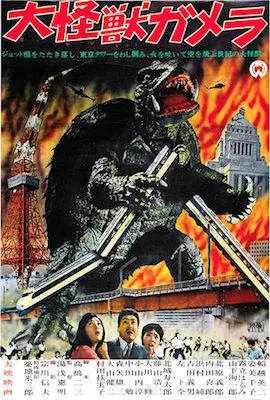
Western audiences may recognize him from his role in the first Gamera film (1965), where his line about “flying saucers” became a legendary recurring joke on Mystery Science Theater 3000.
Selected Works